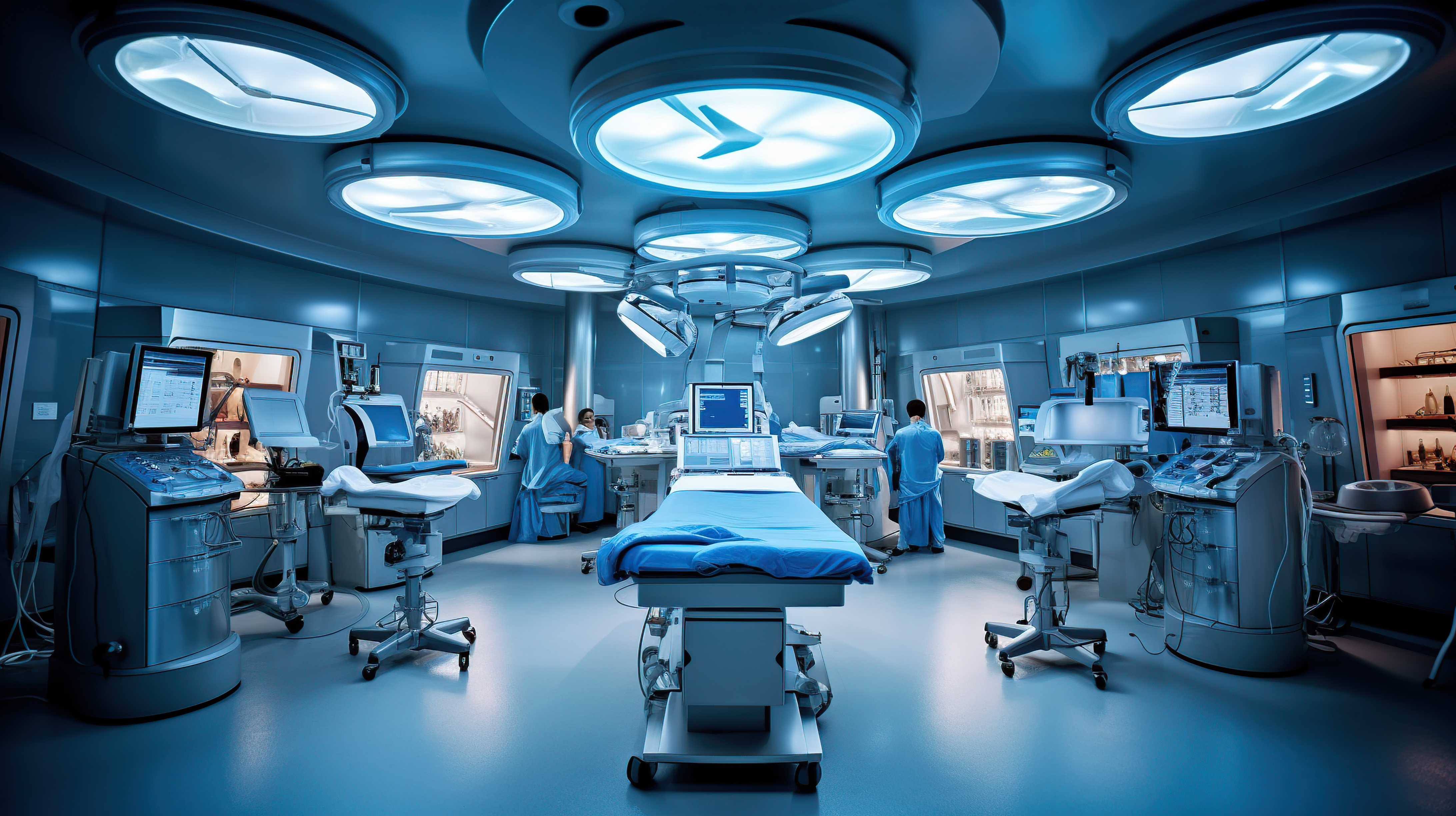
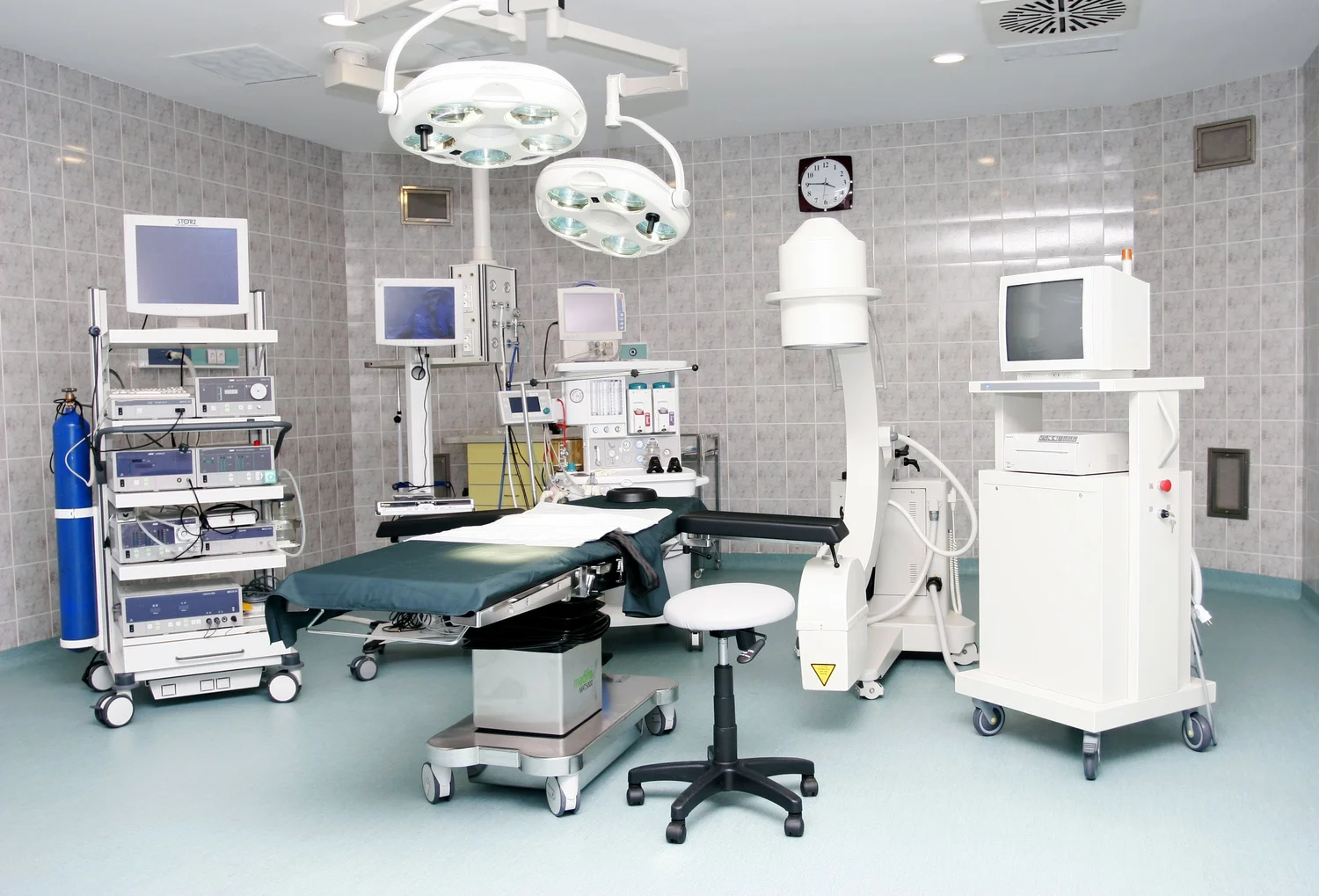
Biomedical services find a necessary application in the smooth running, safe, and most long-lasting form of medical devices in healthcare facilities. We will dive into six major services of a biomedical nature through which health facilities can take full advantage of their medical equipment to prevent wastage and maintain optimal performance.
Preventive maintenance means periodical inspections, cleansing, and calibration of equipment to identify and resolve the simplest matters early and thus prevent further more complex problems. This act ahead of time ensures minimum downtime, prolongs equipment life, and guarantees value-adding, timely, and reliable services.
Biomedical services technicians are competent in diagnosing and fixing devices that have stopped working or are malfunctioning on time. It's not only about insignificant adjustments and big repairs—the expertise of healthcare equipment technicians enables sorting out matters that help to keep equipment downtime to the minimum, which allows providers to deliver uninterrupted care to patients.
Biomedical technology plays a paramount part in piece-jointing the newly purchased medical devices into the prevailing healthcare facilities. This involves all the tasks: sourcing and setting up equipment, customizing software, and guaranteeing coherence with other systems to reduce time and waste on work.
Additionally, biomedical services include compliance with the CDSCO/FDA/CE and Joint Commission protocols and guidelines for the facilitation of proper services. Biomedical technicians are responsible for making sure that devices abide by the regulatory requirements and that they undergo frequent inspections and certification.
Proper instruction and training should be conducted for medical staff for the effective use of the equipment. It is the responsibility of a biomedical technician to conduct training events where targeting users allows the onboarding of equipment, maintenance, and the application of safety protocols. This results in a safe and reliable process.
The biomedical service that We are associated with consists of total asset management and inventory management by which the equipment's usage, maintenance schedules, and lifecycle are tracked. Through keeping comprehensive and precise records, healthcare facilities can manage the utilization of necessary equipment and minimization of associated costs, which will allow for smooth replacements and updates of devices.
Biomedical technicians narrow the scope of what's emerging by studying trends and technologies in medical equipment to help healthcare facilities select the right purchases, and also the right upgrades. Facility organization is also imperative by keeping up to date with technological advancements, equipment in the facilities will stay on top edge and patient care needs.
Biomedical services are chiefly tasked with guaranteeing the reliability, safety, and efficacy of medical equipment in the healthcare sector. Efforts such as preventive maintenance, repair services, governing compliances, staff training, use of assets, and technology evaluation will help in the increased lifecycle of equipment and eventually lead to high-quality healthcare. Leuo Healthcare Provide a wide range of products, Working with credible medical service suppliers guarantees that medical device strives to be in good working condition, resulting in improved patient well-being and operational efficiency.
Biomedical services find a necessary application in the smooth running, safe, and most long-lasting form of medical devices in healthcare facilities. We will dive into six major services of a biomedical nature through which health facilities can take full advantage of their medical equipment to prevent wastage and maintain optimal performance.
Preventive maintenance means periodical inspections, cleansing, and calibration of equipment to identify and resolve the simplest matters early and thus prevent further more complex problems. This act ahead of time ensures minimum downtime, prolongs equipment life, and guarantees value-adding, timely, and reliable services.
Biomedical services technicians are competent in diagnosing and fixing devices that have stopped working or are malfunctioning on time. It's not only about insignificant adjustments and big repairs—the expertise of healthcare equipment technicians enables sorting out matters that help to keep equipment downtime to the minimum, which allows providers to deliver uninterrupted care to patients.
Biomedical technology plays a paramount part in piece-jointing the newly purchased medical devices into the prevailing healthcare facilities. This involves all the tasks: sourcing and setting up equipment, customizing software, and guaranteeing coherence with other systems to reduce time and waste on work.
Additionally, biomedical services include compliance with the CDSCO/FDA/CE and Joint Commission protocols and guidelines for the facilitation of proper services. Biomedical technicians are responsible for making sure that devices abide by the regulatory requirements and that they undergo frequent inspections and certification.
Proper instruction and training should be conducted for medical staff for the effective use of the equipment. It is the responsibility of a biomedical technician to conduct training events where targeting users allows the onboarding of equipment, maintenance, and the application of safety protocols. This results in a safe and reliable process.
The biomedical service that We are associated with consists of total asset management and inventory management by which the equipment's usage, maintenance schedules, and lifecycle are tracked. Through keeping comprehensive and precise records, healthcare facilities can manage the utilization of necessary equipment and minimization of associated costs, which will allow for smooth replacements and updates of devices.
Biomedical technicians narrow the scope of what's emerging by studying trends and technologies in medical equipment to help healthcare facilities select the right purchases, and also the right upgrades. Facility organization is also imperative by keeping up to date with technological advancements, equipment in the facilities will stay on top edge and patient care needs.
Biomedical services are chiefly tasked with guaranteeing the reliability, safety, and efficacy of medical equipment in the healthcare sector. Efforts such as preventive maintenance, repair services, governing compliances, staff training, use of assets, and technology evaluation will help in the increased lifecycle of equipment and eventually lead to high-quality healthcare. Leuo Healthcare Provide a wide range of products, Working with credible medical service suppliers guarantees that medical device strives to be in good working condition, resulting in improved patient well-being and operational efficiency.